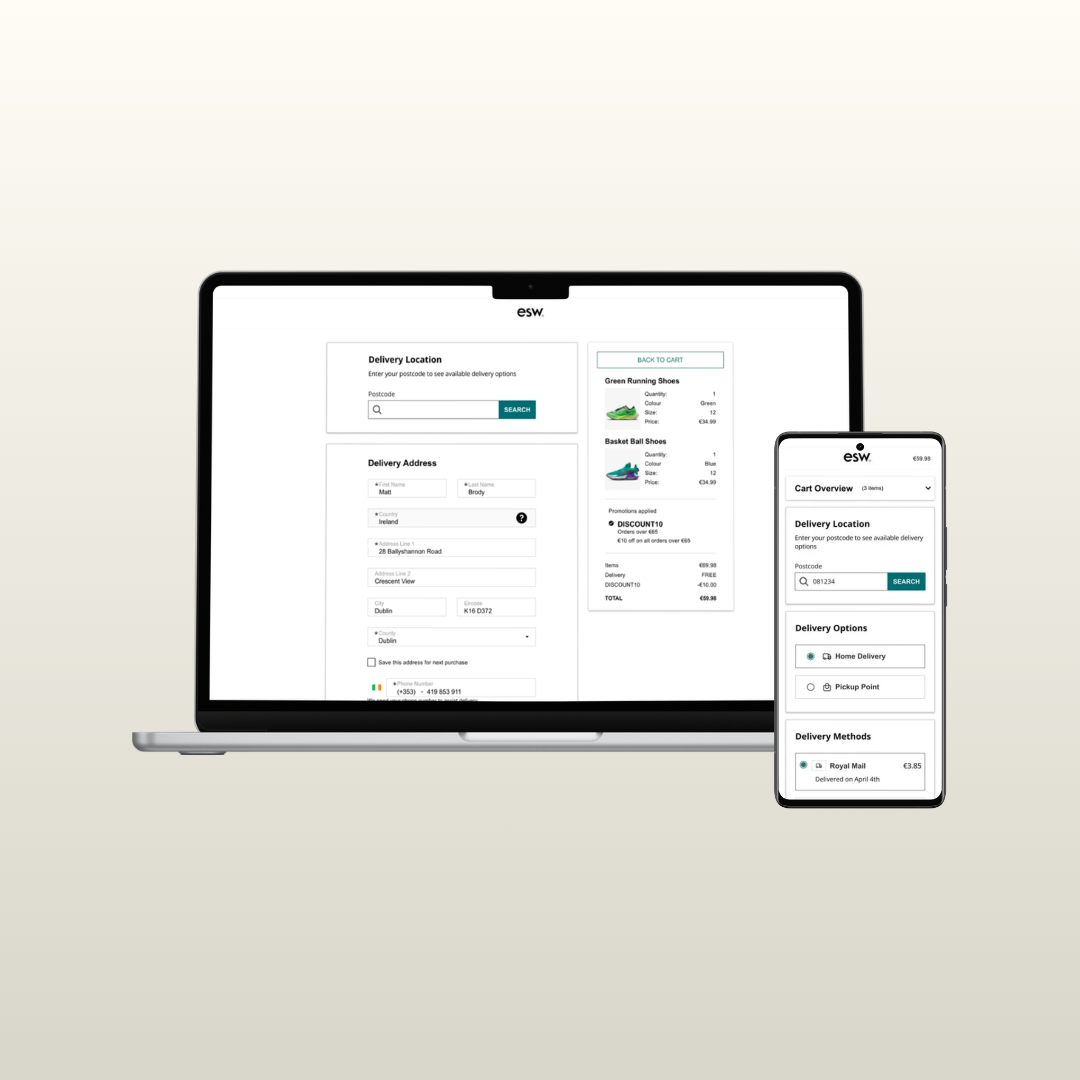
Delivery Options
A shopper facing tool that provides a personalized and dynamic checkout experience.
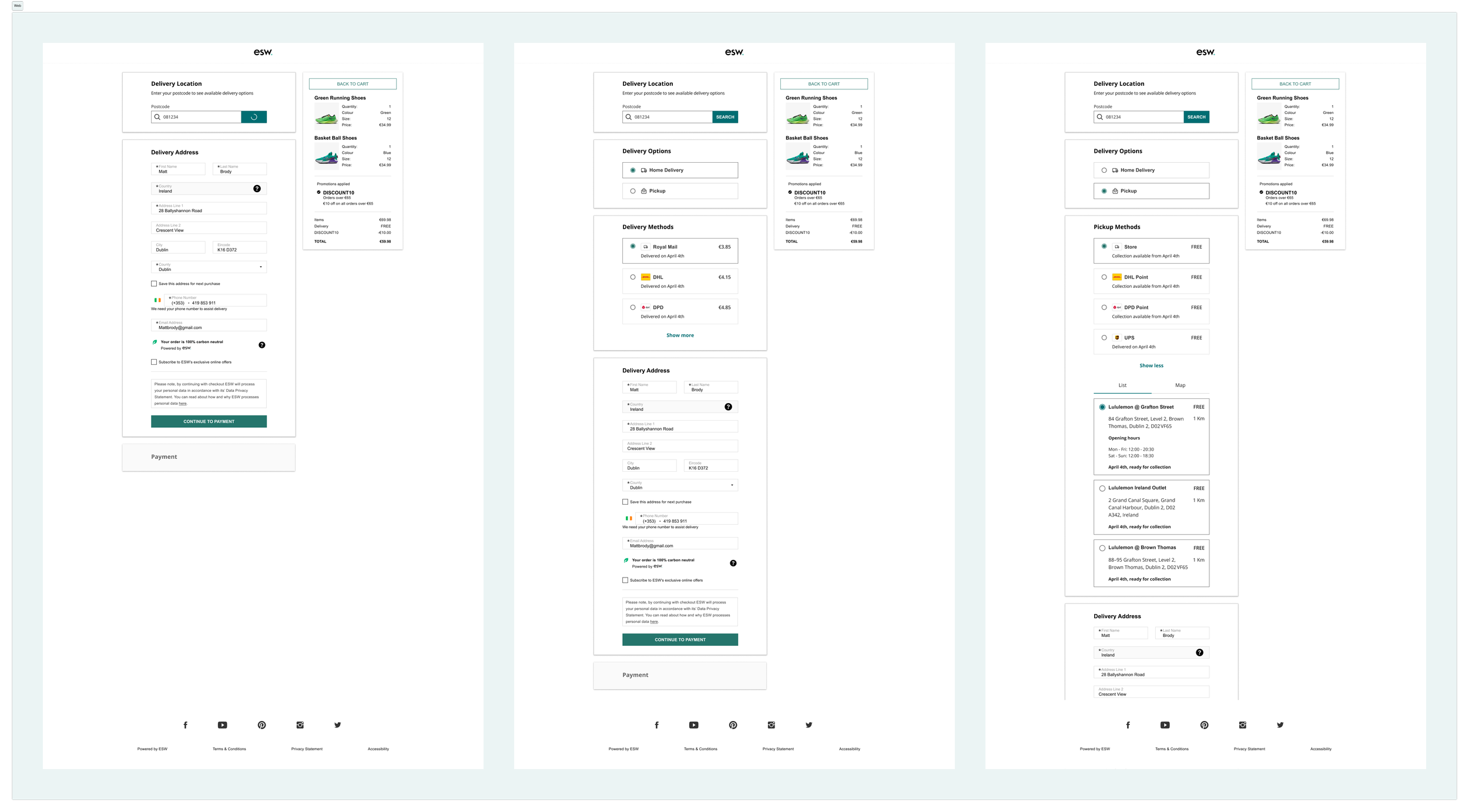
Post code based carrier filtering and availability
Dangerous Goods (DG) shipping restrictions
Real time EDD and rate display
Interactive location selection with map integration
Integrate with TMS for localized translations.
Full RTL support (Arabic, Hebrew)
Graceful handling of missing/null API fields (e.g., no logo, no EDD)
Seamless compatibility with express checkout, geolocation, and existing flows
Overview
The Delivery Options project is a configurable checkout widget that dynamically presents shoppers with available delivery/pickup methods based on their post code and the retailer's carrier configuration. It integrates with a Routing API to source carriers, pricing, and estimated delivery dates in real-time, supporting multi-language and multi-region deployments out of the box.
Problem
Today's e-commerce checkout flows often present static, one-size-fits-all delivery options that don't reflect real carrier availability, regional restrictions, or shopper preference. This leads to:
Cart abandonment: shoppers see irrelevant or expensive options and leave before completing their purchase.
Operational inefficiency: retailers manually maintain delivery configurations per region, leading to outdated pricing and inaccurate estimated delivery dates.
Poor localization: international shoppers encounter untranslated labels, unsupported address formats, or carriers that don't serve their area.
Research
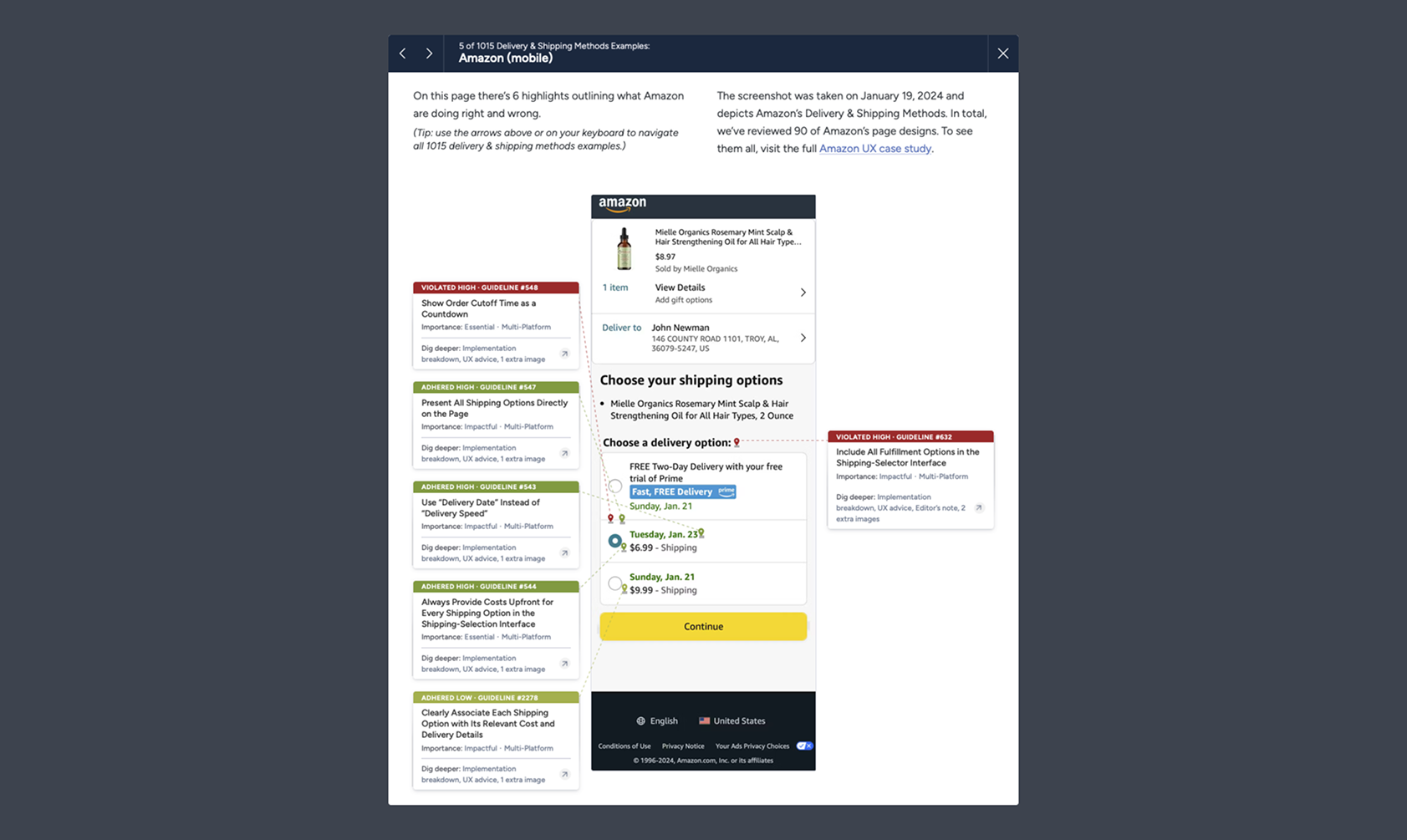
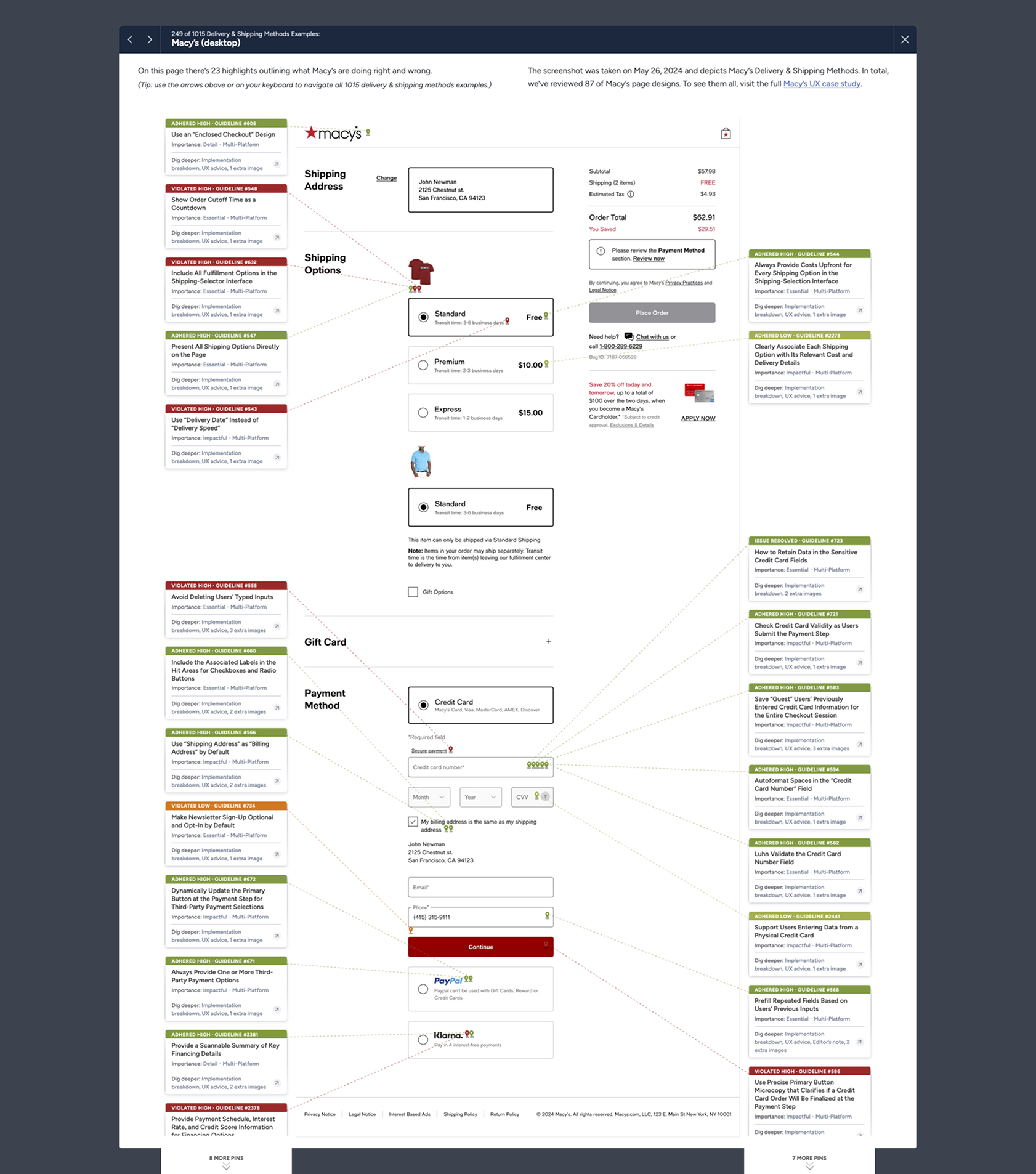
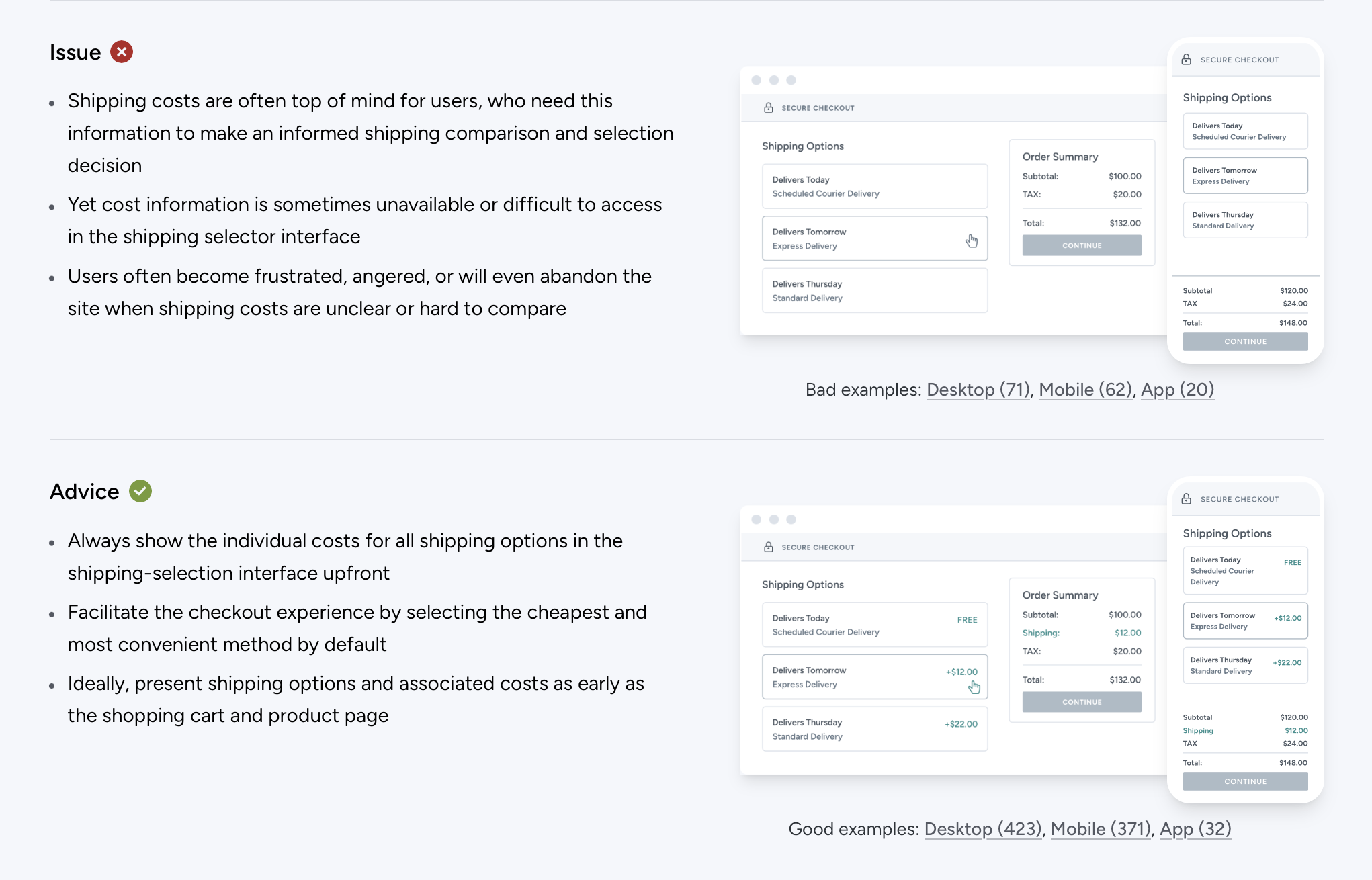
As a part of the discovery and validation process, I incorporated insights from the Baymard Institute’s guideline collections, including competitor analysis, industry standard best practices, and usability recommendations. I synthesized this research to better understand established patterns and pitfalls in commerce and fulfillment experiences, particularly around navigation, information architecture, and task flows. These insights helped to ground design decisions in empirical ecommerce usability research, strengthen the rationale for key interactions, and validate patterns before prototyping to ensure the solutions were both user centered and aligned with broader UX norms across the industry.
Designing with AI
I use AI as a design accelerator and decision support tool throughout my workflow. I reference Baymard UX Query to surface evidence based e-commerce best practices and validate design patterns early. For rapid iteration and version testing, I use Lovable to explore and compare design variations efficiently. I also leverage Co-pilot and ChatGPT to refine and iterate on UX copy, ensuring clarity, consistency, and accessibility across user flows. Together, these tools help me reduce repetitive effort, explore solutions faster, and focus more time on high-impact design decisions.
Split View(A)
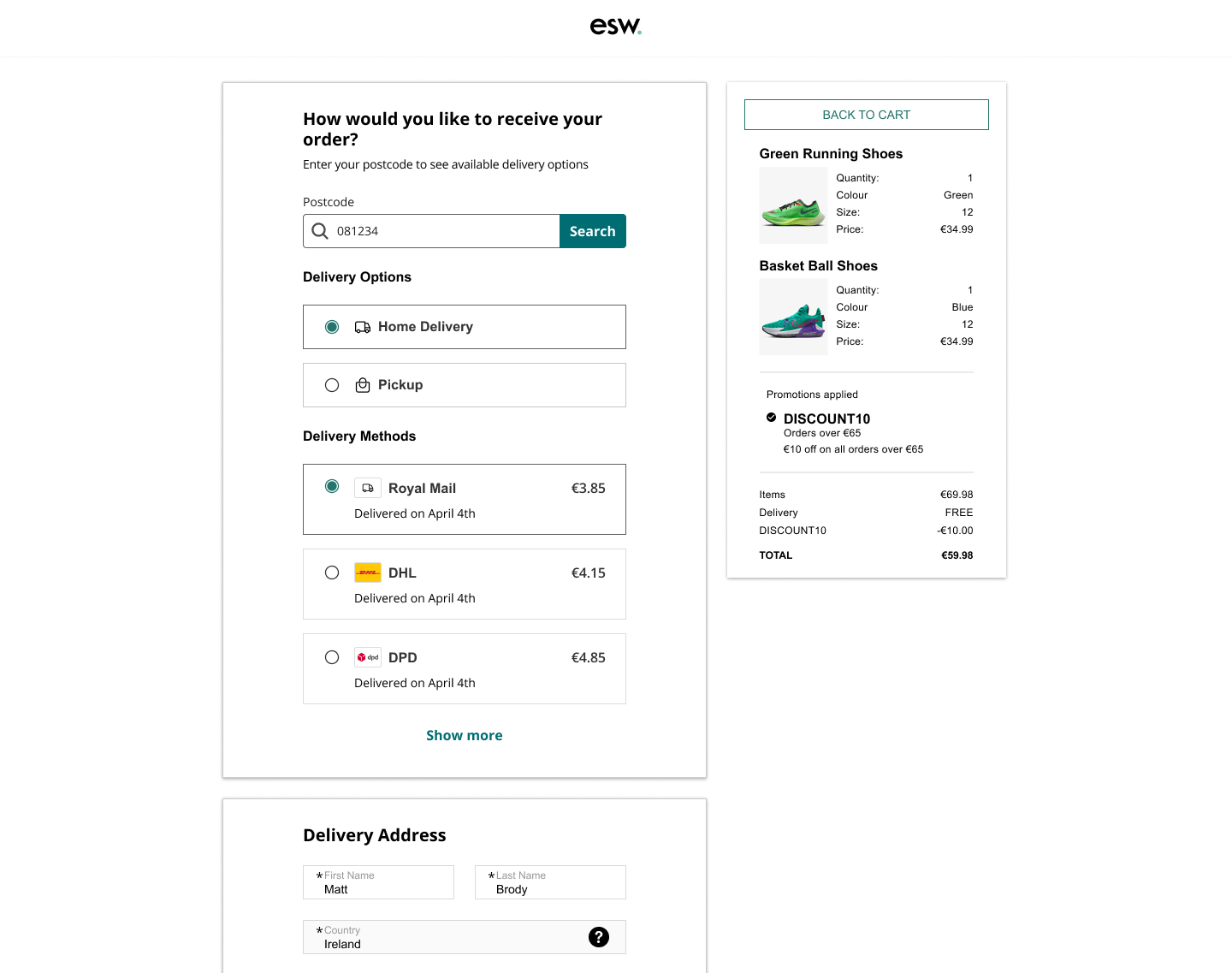
Pros:
Lower cognitive load: Progressive disclosure reduces decisions per step
Better screen reader navigation: Clear role="group" boundaries with distinct aria-labelledby
WCAG 1.3.1 (Info & Relationships): Hierarchical structure aids comprehension
Mobile-friendly: Smaller sections reduce scrolling fatigue
Cons:
More vertical space required
Users may backtrack if they change their mind
Merged View (B)
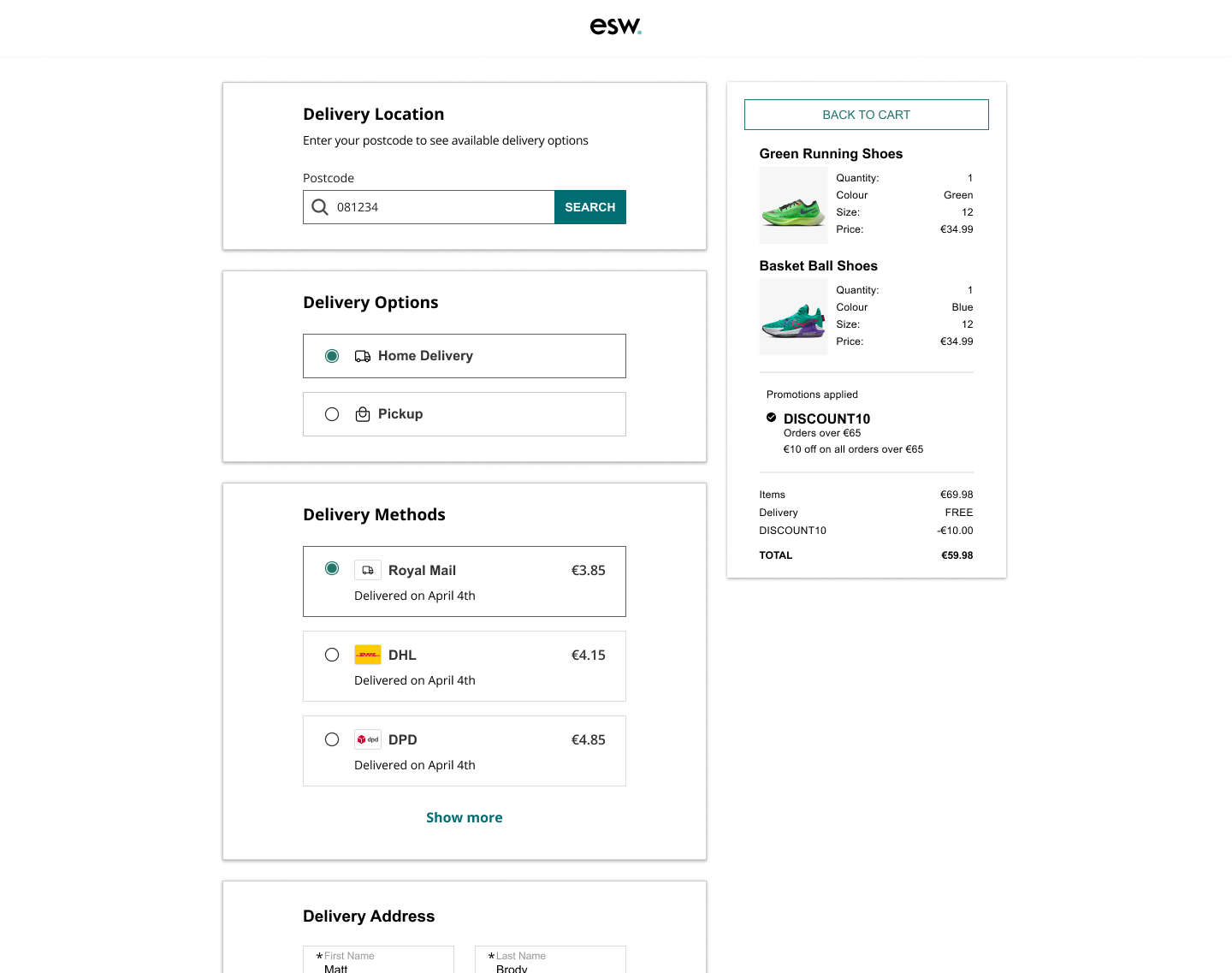
Pros:
Faster for expert users: All options visible at once
Fewer perceived steps: Can feel more efficient
Cons:
Higher cognitive load: Too many choices simultaneously
Weaker hierarchy: Screen readers struggle to distinguish option types
WCAG 2.4.6 (Headings): Flat structure harms perceivability
Mobile issues: Dense layouts cause tap-target conflicts
High Fidelity UI
Lovable Prototype
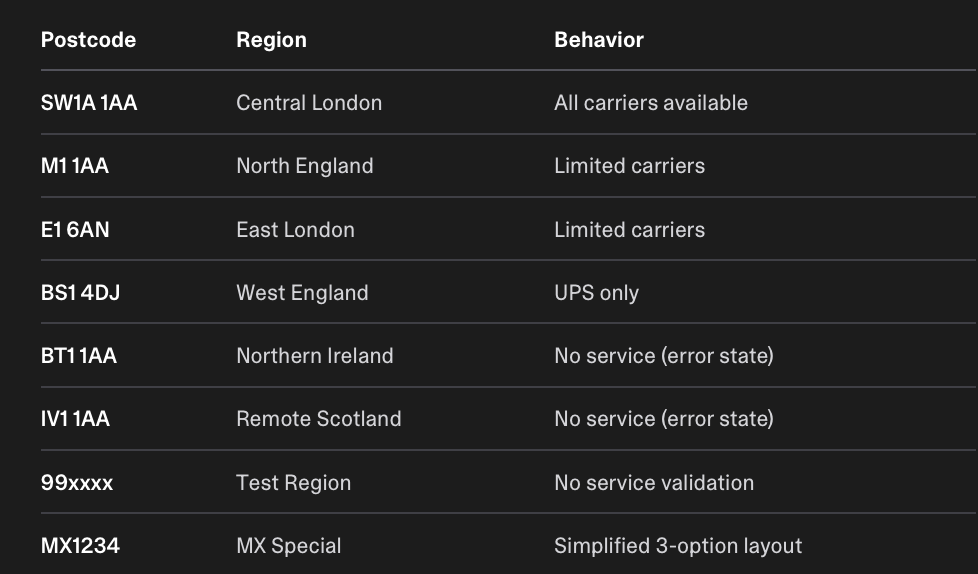
Tip: Please enter a test post code from the table above to get started.
Benefits
-
Faster, Smarter Checkout
No wasted time browsing irrelevant carriers and shoppers get to payment faster.
-
Flexible Delivery Choice
Shoppers choose what suits them best and retailers see higher conversion.
-
Localised Experience
Region-aware carrier routing means retailers can serve international markets.
Explore other case studies
-
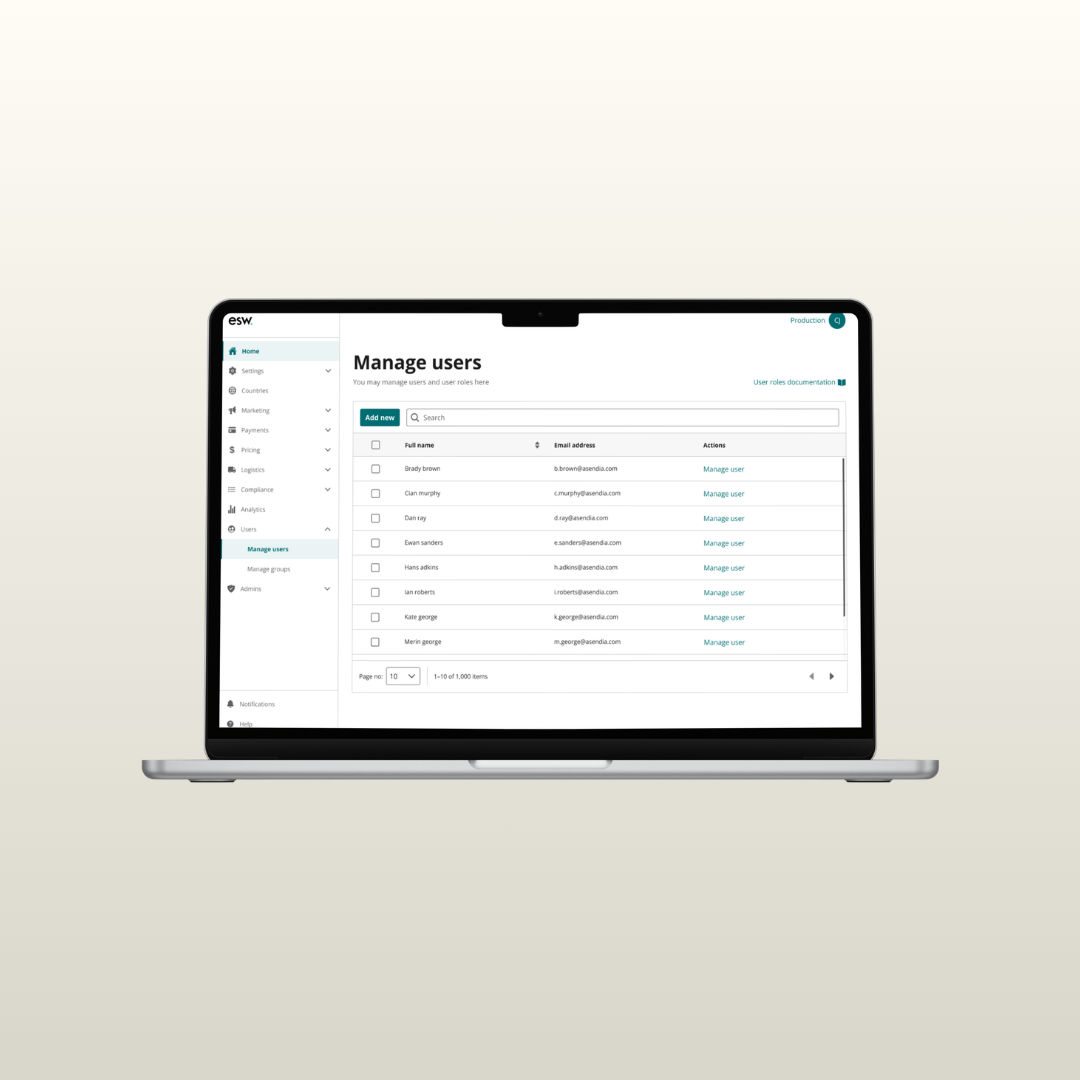
Role Management : Permission Chaos to Clear Control
An internal tooling to assign roles to an user/group to provide them access to all the features it contains.
-
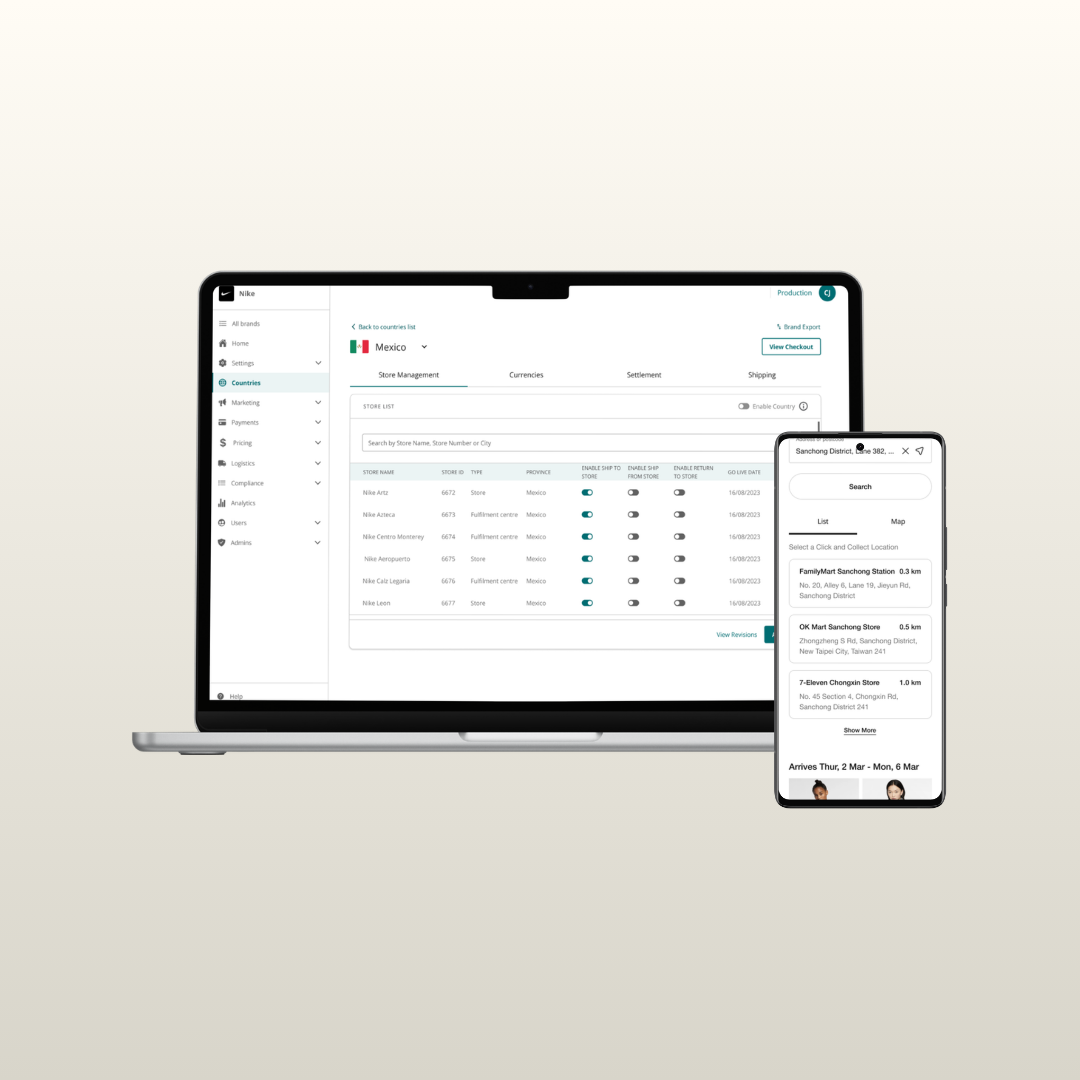
Store Management : 35% to 80% Nike In-Store Conversions
A retailer facing tool to help them self manage the store and omni-channel fulfillment capabilities.
-
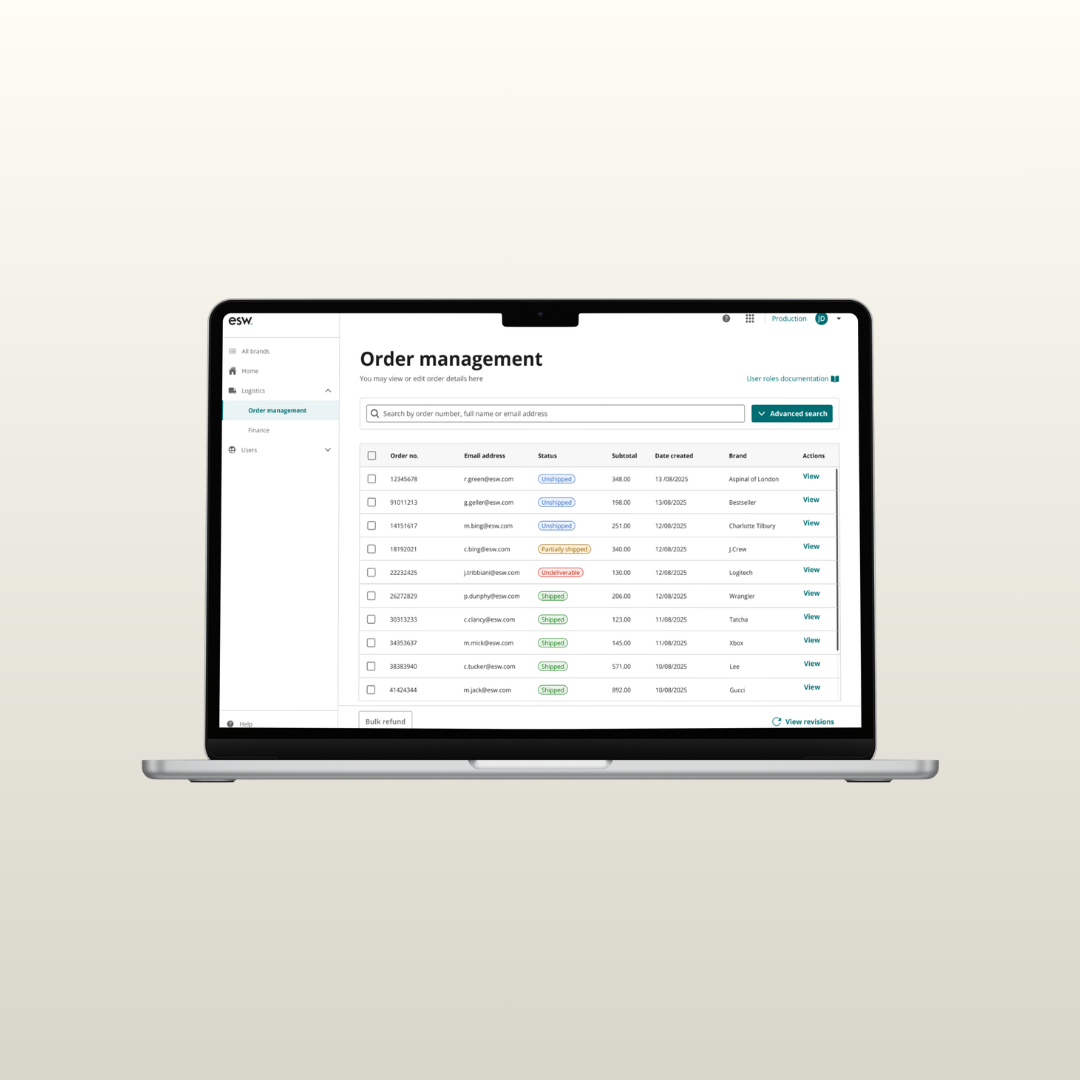
CSP Migration : Fragmented Portal to Unified Experience
A portal used by the ESW customer service teams and retailers to review and manage shopper orders.